
Browse specialties by type
Select a category below to explore all specialties in that group.
Physician specialties
Physicians hold either an MD (Doctor of Medicine) or DO (Doctor of Osteopathic Medicine) degree. They complete residency training after medical school and may pursue additional fellowship training for subspecialties. Chiropractors earn a DC (Doctor of Chiropractic) degree, while optometrists hold an OD (Doctor of Optometry) degree — both are doctoral-level providers but are not medical doctors and do not attend medical school.
 Doctor
Allergist
Allergist / Immunologist (MD/DO)
A physician specializing in allergic diseases and immune system disorders. Allergists diagnose and treat allergies, asthma, eczema, food allergies, drug reactions, and immune deficiencies. They perform allergy testing and administer immunotherapy (allergy shots).
View full profile → Doctor
Anesthesiologist
Anesthesiologist (MD/DO)
A physician who specializes in anesthesia care, pain management, and critical care medicine. Anesthesiologists administer anesthesia before, during, and after surgical procedures, and also manage acute and chronic pain conditions.
View full profile → Doctor
Cardiologist
Heart & Cardiovascular Specialist
A physician specializing in diagnosing and treating diseases of the heart and blood vessels. Cardiologists complete internal medicine residency followed by a cardiology fellowship. Subspecialties include interventional cardiology, electrophysiology, and heart failure.
View full profile → Doctor
Chiropractor
Doctor of Chiropractic (DC)
A licensed healthcare provider focused on the diagnosis and treatment of musculoskeletal disorders, primarily through spinal manipulation and manual therapy. Chiropractors also provide exercise and lifestyle counseling. They cannot prescribe medications or perform surgery.
View full profile → Doctor
Colorectal Surgeon
Colon & Rectal Surgeon (MD/DO)
A surgical specialist focused on diseases of the colon, rectum, and anus. Colorectal surgeons treat colorectal cancer, diverticulitis, inflammatory bowel disease, hemorrhoids, anal fissures, and fistulas. They perform both minimally invasive and open surgical procedures.
View full profile → Doctor
Dentist
Doctor of Dental Surgery (DDS) or DMD
A licensed healthcare professional specializing in oral health — teeth, gums, and mouth. Dentists diagnose and treat tooth decay, gum disease, and oral infections, and perform procedures like fillings, extractions, and crowns. Specialists include orthodontists, oral surgeons, and periodontists.
View full profile → Doctor
Dermatologist
Skin, Hair & Nail Specialist
A physician specializing in conditions affecting the skin, hair, and nails. Dermatologists diagnose and treat over 3,000 conditions including acne, eczema, psoriasis, and skin cancer. They also perform cosmetic procedures.
View full profile → Doctor
Emergency Medicine Physician
ER Doctor
A physician trained to evaluate and treat acute illnesses and injuries in the emergency department. Emergency medicine physicians are skilled at rapid diagnosis and stabilization across all organ systems and age groups.
View full profile → Doctor
Endocrinologist
Endocrinology & Metabolism Specialist (MD/DO)
A physician specializing in hormones and the glands that produce them — thyroid, adrenal glands, pituitary, pancreas, and reproductive glands. Endocrinologists manage diabetes, thyroid disorders, osteoporosis, hormonal imbalances, and metabolic conditions.
View full profile → Doctor
ENT Specialist
Otolaryngologist (MD/DO)
A physician and surgeon specializing in disorders of the ear, nose, and throat — as well as the head and neck. ENT specialists treat hearing loss, sinus disease, tonsil problems, voice disorders, sleep apnea, and head and neck cancers. They perform procedures like tonsillectomies, sinus surgery, and cochlear implants.
View full profile → Doctor
Gastroenterologist
GI Specialist (MD/DO)
A physician specializing in the digestive system — esophagus, stomach, small intestine, colon, liver, pancreas, and gallbladder. Gastroenterologists diagnose and treat conditions like GERD, IBS, Crohn's disease, ulcerative colitis, liver disease, and colorectal cancer. They perform colonoscopies and endoscopies.
View full profile → Doctor
General Practitioner
Family Medicine / Primary Care Physician (MD/DO)
A primary care physician who provides comprehensive, ongoing medical care for patients of all ages. GPs diagnose and treat a wide range of conditions, manage chronic diseases, order tests, prescribe medications, and refer patients to specialists when needed. They are typically the first point of contact in the healthcare system.
View full profile → Doctor
Geriatrician
Geriatric Medicine Physician (MD/DO)
A physician specializing in the health care of elderly people. Geriatricians focus on the prevention, diagnosis, and treatment of diseases and disabilities in older adults, managing complex conditions such as dementia, falls, frailty, and polypharmacy.
View full profile → Doctor
Hematologist
Blood Disorder Specialist (MD/DO)
A physician specializing in diseases of the blood, bone marrow, and lymphatic system. Hematologists treat anemia, clotting disorders, leukemia, lymphoma, sickle cell disease, and hemophilia. Many also specialize in oncology and manage blood cancers.
View full profile → Doctor
Hospitalist
Hospitalist Physician (MD/DO)
A physician who specializes in the care of hospitalized patients. Hospitalists manage the full spectrum of inpatient care, coordinating with specialists and ensuring continuity of care from admission to discharge.
View full profile → Doctor
Infectious Disease Specialist
Infectious Disease Physician (MD/DO)
A physician specializing in the diagnosis and treatment of complex infections caused by bacteria, viruses, fungi, and parasites. Infectious disease specialists manage conditions like HIV/AIDS, tuberculosis, sepsis, Lyme disease, and hospital-acquired infections. They are often consulted when standard treatments fail.
View full profile → Doctor
MD vs DO
Allopathic vs Osteopathic Physician
MDs (Doctor of Medicine) and DOs (Doctor of Osteopathic Medicine) are both fully licensed physicians who can prescribe medications, perform surgery, and practice in all medical specialties. DOs receive additional training in osteopathic manipulative medicine (OMM). Both complete 4 years of medical school plus residency.
View full profile → Doctor
Neonatologist
Neonatologist (MD/DO)
A pediatric subspecialist who focuses on the care of newborn infants, especially premature or critically ill babies. Neonatologists work in neonatal intensive care units (NICUs) managing conditions such as respiratory distress, infections, and birth defects.
View full profile → Doctor
Nephrologist
Kidney Specialist (MD/DO)
A physician specializing in kidney disease and function. Nephrologists manage chronic kidney disease, acute kidney injury, hypertension related to kidney disease, electrolyte disorders, and kidney failure. They oversee dialysis and work closely with transplant teams.
View full profile →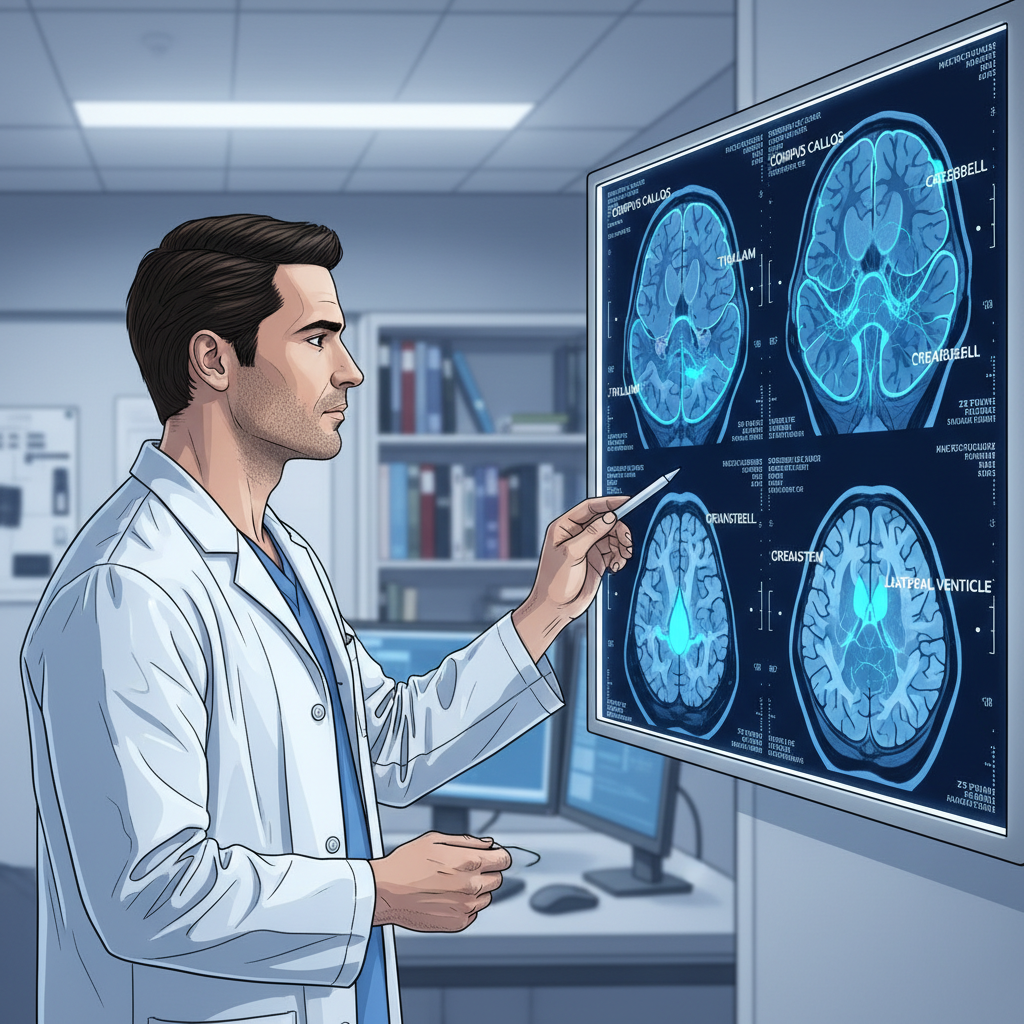 Doctor
Neurologist
Brain & Nervous System Specialist
A physician specializing in disorders of the brain, spinal cord, and nervous system. Neurologists diagnose and treat conditions like epilepsy, stroke, multiple sclerosis, Parkinson's disease, migraines, and dementia.
View full profile → Doctor
OB/GYN
Obstetrician-Gynecologist
A physician specializing in women's reproductive health. Obstetricians manage pregnancy and childbirth; gynecologists diagnose and treat conditions of the female reproductive system. Most OB/GYNs practice both.
View full profile → Doctor
Oncologist
Cancer Specialist (MD/DO)
A physician specializing in the diagnosis and treatment of cancer. Medical oncologists manage chemotherapy, immunotherapy, and targeted therapy. Radiation oncologists use radiation to treat tumors. Surgical oncologists perform cancer-related surgeries. Most cancer patients work with a team of all three.
View full profile → Doctor
Ophthalmologist
Eye Physician & Surgeon (MD/DO)
A medical doctor specializing in eye and vision care. Unlike optometrists, ophthalmologists are fully licensed physicians who can perform eye surgery, including cataract surgery, LASIK, glaucoma procedures, and retinal surgery. They also diagnose and treat eye diseases.
View full profile → Doctor
Optometrist
Doctor of Optometry (OD)
Licensed eye care professionals who examine eyes for vision problems and disease, prescribe glasses and contact lenses, and in most states can prescribe eye medications. Optometrists are distinct from ophthalmologists, who are medical doctors specializing in eye surgery.
View full profile → Doctor
Orthopedic Surgeon
Musculoskeletal Specialist
A physician specializing in the diagnosis, treatment, and surgery of the musculoskeletal system — bones, joints, ligaments, tendons, and muscles. Common procedures include joint replacement, fracture repair, and sports injury surgery.
View full profile → Doctor
Pain Management Specialist
Pain Medicine Physician (MD/DO)
A physician specializing in the evaluation and treatment of chronic and acute pain. Pain management specialists use a multidisciplinary approach including medications, nerve blocks, spinal injections, neuromodulation, and physical therapy. They treat back pain, neuropathy, cancer pain, and complex regional pain syndrome.
View full profile → Doctor
Pathologist
Pathologist (MD/DO)
A physician who diagnoses disease by examining tissues, cells, and bodily fluids in a laboratory. Pathologists analyze biopsies, surgical specimens, and autopsies to identify cancers, infections, and other conditions. They play a critical behind-the-scenes role in nearly every diagnosis.
View full profile → Doctor
Pediatrician
Child & Adolescent Physician
A physician specializing in the medical care of infants, children, and adolescents up to age 18 (sometimes 21). Pediatricians monitor growth and development, administer vaccines, and treat childhood illnesses.
View full profile → Doctor
Plastic Surgeon
Board-Certified Plastic Surgeon (MD/DO)
A surgeon specializing in reconstructive and cosmetic procedures. Plastic surgeons treat injuries, birth defects, burns, and cancer-related disfigurement, as well as performing elective cosmetic procedures to improve appearance.
View full profile → Doctor
Podiatrist
Doctor of Podiatric Medicine (DPM)
A specialist in the diagnosis and treatment of conditions affecting the foot, ankle, and lower leg. Podiatrists treat bunions, heel pain, plantar fasciitis, ingrown toenails, flat feet, diabetic foot complications, sports injuries, and fractures of the foot and ankle. They perform both medical management and surgical procedures.
View full profile → Doctor
Psychiatrist
Mental Health Physician (MD/DO)
A fully licensed physician who specializes in mental health. Because psychiatrists are medical doctors, they can prescribe medications — antidepressants, antipsychotics, mood stabilizers, and more. They diagnose and treat conditions like depression, bipolar disorder, schizophrenia, PTSD, and OCD. Many also provide therapy, though they often focus primarily on medication management.
View full profile → Mental Health
Psychologist
Doctor of Psychology (PhD, PsyD, or EdD)
A doctoral-level mental health professional trained in psychological assessment and therapy. Unlike psychiatrists, psychologists are not medical doctors and cannot prescribe medications in most states (exceptions: Louisiana, New Mexico, Idaho, Iowa, and the U.S. military). They specialize in talk therapy approaches such as CBT, DBT, psychoanalysis, and EMDR, and are often the preferred provider for therapy-focused care.
View full profile → Doctor
Pulmonologist
Pulmonary & Critical Care Specialist (MD/DO)
A physician specializing in diseases of the lungs and respiratory system. Pulmonologists diagnose and treat asthma, COPD, pneumonia, pulmonary fibrosis, lung cancer, sleep apnea, and respiratory failure. Many also specialize in critical care medicine.
View full profile → Doctor
Radiologist
Medical Imaging Specialist
A physician specializing in interpreting medical images — X-rays, CT scans, MRIs, ultrasounds, and PET scans — to diagnose disease. Interventional radiologists also perform minimally invasive procedures guided by imaging.
View full profile → Doctor
Reproductive Endocrinologist
Reproductive Endocrinologist & Infertility Specialist (MD/DO)
A physician specializing in the diagnosis and treatment of hormonal disorders related to reproduction and infertility. They manage conditions such as polycystic ovary syndrome (PCOS), endometriosis, and male and female infertility, and perform assisted reproductive technologies such as IVF.
View full profile → Doctor
Rheumatologist
Rheumatology Specialist (MD/DO)
A physician specializing in autoimmune and inflammatory diseases affecting joints, muscles, and connective tissue. Rheumatologists treat rheumatoid arthritis, lupus, gout, psoriatic arthritis, ankylosing spondylitis, and Sjögren's syndrome. They manage complex conditions that often affect multiple organ systems.
View full profile → Doctor
Sleep Medicine Specialist
Sleep Medicine Physician (MD/DO)
A physician specializing in the diagnosis and treatment of sleep disorders. Sleep medicine specialists evaluate and treat sleep apnea, insomnia, narcolepsy, restless leg syndrome, and circadian rhythm disorders. They interpret sleep studies (polysomnography) and work with patients on behavioral and medical treatments.
View full profile → Doctor
Sports Medicine Physician
Sports Medicine Physician (MD/DO)
A physician specializing in the prevention, diagnosis, and treatment of injuries related to sports and exercise. Sports medicine physicians treat athletes and active individuals for sprains, fractures, concussions, overuse injuries, and performance-related conditions.
View full profile → Doctor
Surgeon
General or Specialty Surgeon
A physician trained to perform surgical operations. General surgeons handle a wide range of procedures. Subspecialties include orthopedic surgery, neurosurgery, cardiothoracic surgery, plastic surgery, and more — each requiring additional fellowship training.
View full profile → Doctor
Thoracic Surgeon
Cardiothoracic Surgeon (MD/DO)
A surgeon who specializes in surgical treatment of diseases affecting organs inside the chest, including the heart, lungs, esophagus, and major blood vessels. Thoracic surgeons perform procedures such as lung resections, heart bypass surgery, and valve replacements.
View full profile → Doctor
Urologist
Urologic Surgeon (MD/DO)
A physician specializing in diseases of the urinary tract and male reproductive system. Urologists treat conditions including kidney stones, urinary incontinence, bladder infections, prostate disease, erectile dysfunction, and urologic cancers. They perform both medical management and surgical procedures.
View full profile →DoctorUrogynecologist
Female Pelvic Medicine & Reconstructive Surgeon (MD/DO)
A physician specializing in pelvic floor disorders in women, including urinary incontinence, pelvic organ prolapse, and overactive bladder. Urogynecologists are trained in both gynecology and urology and perform both medical and surgical treatments for bladder and pelvic floor conditions.
View full profile → Doctor
Vascular Surgeon
Vascular & Endovascular Surgeon (MD/DO)
A surgical specialist focused on diseases of the arteries, veins, and lymphatic system — excluding the heart and brain. Vascular surgeons treat peripheral artery disease, aortic aneurysms, carotid artery disease, varicose veins, and deep vein thrombosis.
View full profile →Educational purposes only. The information on this page is intended to help the general public understand the roles and training of healthcare providers. It is not a substitute for professional medical advice. Always consult a qualified healthcare professional for your specific health needs.